How to Rent a Railway Arch in the UK
The complete 2026 guide to finding, evaluating, and securing a railway arch for your business.
By Taro Schenker, Founder & EditorLast updated: February 2026
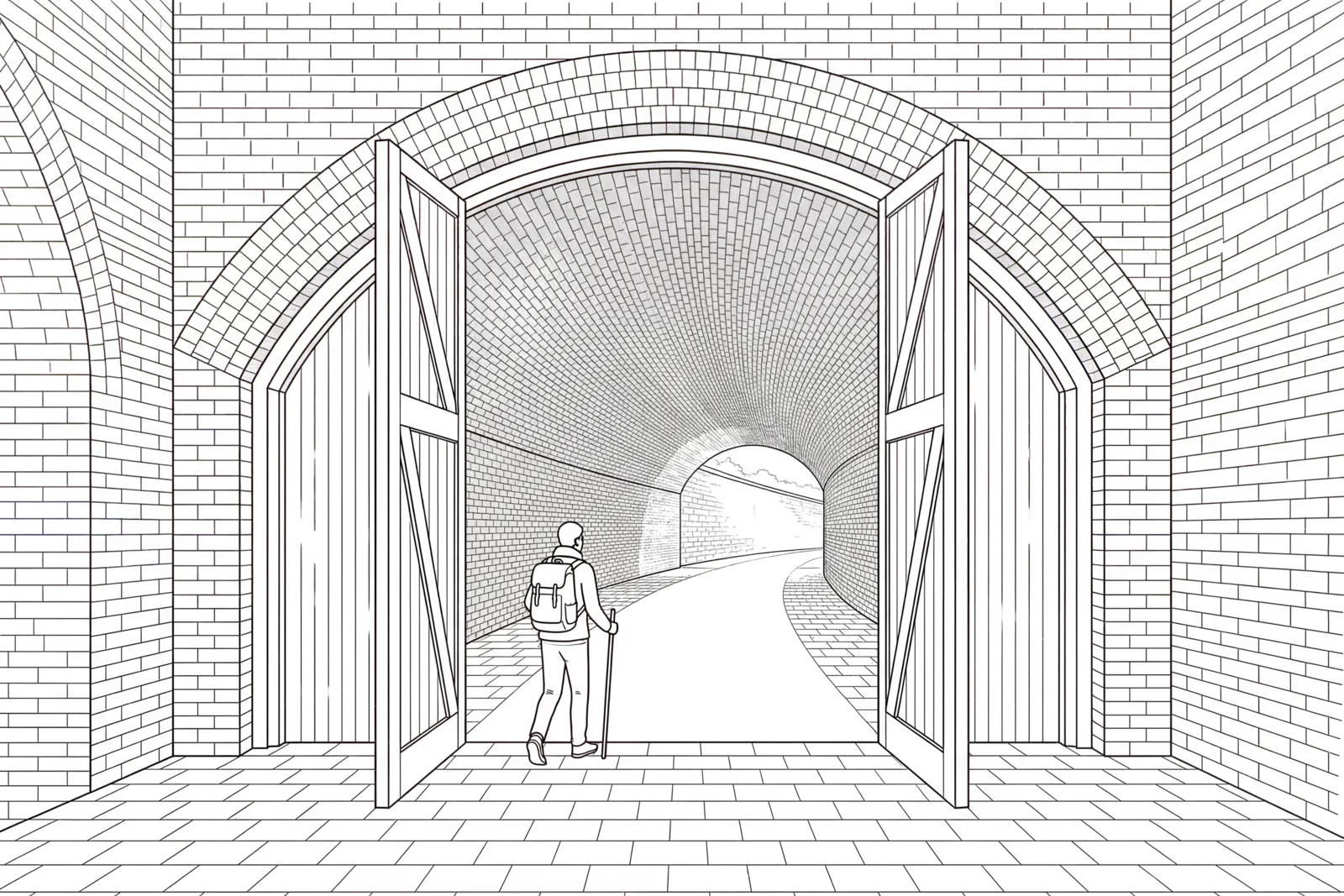
Railway arches are among the most distinctive commercial spaces in the UK. Built during the Victorian era to support railway viaducts, these brick-vaulted units have been repurposed into thriving workspaces, restaurants, breweries, workshops, and retail stores. With 5,300 properties, including non-arch assets, managed by The Arch Company and a further 850+ arches managed by Places for London (TfL), there is a wide range of spaces available across London and the UK.
Their urban locations, often nestled beneath busy railway lines in regenerating neighbourhoods, make them ideal for businesses that rely on foot traffic or need central access. The unique character of an arch — exposed brickwork, generous ceiling heights, and open-plan layouts — creates an atmosphere that modern commercial units struggle to replicate.
This guide is for anyone considering renting a railway arch: whether you are a first-time entrepreneur scouting your first premises, an established business looking to expand, or a creative professional seeking affordable workspace. It covers the entire process from identifying your requirements through to signing a lease and fitting out your space.
By the end of this guide, you will understand how to assess your space and budget needs, where to find available arches, what to look for during viewings, how lease terms work, and how to navigate fit-out in a heritage structure. Each step includes practical advice, current cost benchmarks, and links to tools that will help you make informed decisions.
What Size and Use Class Do You Need for a Railway Arch?
Before searching for a railway arch, clarify what you need. Getting this right upfront saves weeks of wasted viewings and avoids costly lease mistakes.
Space Requirements
Railway arches range from compact 100 sqft lock-ups to large 10,000+ sqft double or triple arches. Consider your operational needs: storage footprint, customer-facing area, workspace, and any equipment that requires specific floor-to-ceiling clearance. Most standard arches offer 800–2,000 sqft of usable floor space.
Use Class
Your intended business activity determines the planning Use Class you need. The most common classes for railway arches are:
- Class E — covers retail, restaurant, café, office, light industrial, gym, and health centre uses
- Class B2 — general industrial (brewing, manufacturing, fabrication)
- Class B8 — storage and distribution
Check the lease's permitted use clause carefully. Changing use class after signing may require landlord consent and a planning application.
Location Priorities
Think about proximity to customers, suppliers, and transport links. Railway arch clusters in areas like Bermondsey, Hackney, and Brixton benefit from established footfall, but competition for space is fierce. Emerging areas such as Peckham and Deptford offer lower rents and growing communities. Browse our area guides to compare locations.
How Much Does It Really Cost to Rent a Railway Arch?
The advertised rent is only part of the picture. On top of it you pay business rates, service charges and insurance, plus upfront costs such as the deposit and fit-out. How much this adds depends mostly on business rates, which can be nil if you qualify for Small Business Rate Relief.
Rent by Area
| Area | Rent (£/sqft pa) |
|---|---|
| Waterloo / SE1 | £28–£45 |
| Shoreditch / EC2A | £28–£42 |
| Bermondsey / SE1 | £26–£35 |
| Hackney / E8 | £24–£38 |
| Brixton / SW2 | £15–£25 |
| Peckham / SE15 | £12–£22 |
| Bexley / DA | £10–£16 |
| Manchester | £11–£20 |
| Leeds | £5–£12 |
Hidden Upfront Costs
- Deposit: 3–6 months' rent, paid upfront
- Legal fees: £1,000–£3,000 (the tenant typically pays the landlord's solicitor too)
- SDLT: Stamp Duty Land Tax may apply on longer leases
- Fit-out: £5,000–£12,000 for basic tanking/waterproofing; £45–£175/sqft for a full fit-out
Small Business Rate Relief (SBRR)
If your arch has a rateable value below £15,000, you may qualify for SBRR — potentially paying zero business rates if the RV is under £12,000. This can save thousands per year.
Use our Total Cost Calculator to get a personalised estimate of your monthly and annual costs.
Where Can You Find Railway Arches to Rent?
Railway arches are not always listed on mainstream property portals. Knowing where to look gives you a significant advantage.
Major Landlords
- The Arch Company — the UK's largest arch landlord with 5,300 properties nationwide, including non-arch assets. They list available properties on their website and operate a waiting list for high-demand areas.
- Places for London (TfL) — manages 850+ arches across London, with 100% of profits reinvested into transport. Properties are listed on the Places for London website.
- Network Rail — retains some station-based retail arches not included in the 2019 sale.
Commercial Agents
- Rightmove Commercial — the largest UK commercial property portal
- Kalmars — specialists in SE1 / Bermondsey commercial property
- Stirling Ackroyd — strong coverage across South and East London
- Strettons — East London commercial property experts
On-the-Ground Tips
- Walk the clusters: many arches in areas like Bermondsey, Hackney Wick, and Brixton are clustered along viaducts. Walking the route reveals units that may not be listed online.
- Check “To Let” boards: some arches are marketed only with physical signage on the unit.
- Ask existing tenants: arch communities are close-knit. Current tenants often know when neighbouring units are becoming available before they are formally listed.
What Should You Check When Viewing a Railway Arch?
A thorough inspection before committing saves you from expensive surprises. Railway arches have unique structural characteristics that require careful assessment.
Inspection Checklist
- Damp and water ingress: check walls and the crown of the arch for moisture, staining, efflorescence (white salt deposits), or active leaks. Water ingress is the most common issue in arches.
- Power supply: confirm the electrical supply (single or three-phase) and capacity. Upgrading power can cost thousands and take weeks.
- Drainage: check for existing foul and surface water drainage. Not all arches have mains drainage — installing it is expensive.
- Ceiling height: measure clearance at the centre and at the walls. Arch ceilings curve, so usable height reduces significantly at the sides.
- Vehicle access: if you need deliveries or loading, check door width, approach road restrictions, and any weight limits on the road surface above.
- Acoustic environment: trains running overhead create noise and vibration. Visit during peak rail hours to assess whether this affects your intended use.
Schedule of Condition
Commission a Schedule of Condition survey before signing the lease. This photographic record of the arch's current state protects you from dilapidations claims at lease end. Allow 3–10 working days for the surveyor to complete and agree the schedule with the landlord.
EPC Requirements
All commercial properties require a valid Energy Performance Certificate (EPC). The current minimum rating is E, but this is tightening to C by 2027 and B by 2030. Check the arch's current EPC rating and factor in any improvement costs before committing.
What Are Standard Railway Arch Lease Terms?
Railway arch leases have specific characteristics that differ from standard commercial property. Understanding these terms before you negotiate puts you in a stronger position.
Standard Lease Terms
Most arch leases run for 3–6 years with rent paid quarterly in advance. Shorter leases of 1–2 years are occasionally available for smaller units but often come with less favourable terms.
Contracted Out vs. 1954 Act Protection
The Landlord and Tenant Act 1954 gives business tenants the right to renew their lease at expiry. However, most new railway arch leases are contracted out of the 1954 Act, meaning you have no automatic right to renew. This is standard practice for The Arch Company and Places for London. If security of tenure is important to your business, negotiate for 1954 Act protection — but expect the landlord to resist.
Upward-Only Rent Reviews
Rent reviews in arch leases are almost always upward-only, meaning your rent can increase at review but never decrease — even if market rents fall. Reviews typically occur every 3 years, benchmarked to open market value.
Other Key Clauses
- Break clauses: allow early exit, typically at the midpoint. Not offered by default — you must negotiate these.
- Permitted use: defines exactly what business activities you can carry out. Changing use usually requires landlord consent and potentially a planning application.
- Tenant's Charter: The Arch Company publishes a Tenant's Charter outlining their commitments on maintenance response times, communication, and dispute resolution.
How Do You Negotiate a Railway Arch Lease?
Once you have found the right arch and understand the lease structure, the negotiation phase begins. This typically takes 6–12 weeks from Heads of Terms to completion.
Heads of Terms
The process starts with Heads of Terms (HoT) — a non-binding summary of the key deal points agreed between you and the landlord. This document covers the rent, lease length, break clauses, permitted use, and any incentives. Once both parties sign the HoT, solicitors are instructed.
Legal Representation
Appoint a solicitor experienced in commercial property. Legal fees typically range from £1,000 to £3,000, and in most arch lease transactions, the tenant pays both their own and the landlord's legal costs. Do not sign a lease without independent legal advice.
Key Negotiation Points
- Rent-free period: 1–3 months is common, especially if the arch needs fit-out work. Larger fit-out commitments may justify longer rent-free periods.
- Fit-out contribution: some landlords offer a capital contribution toward improvements that add value to the property. Always ask.
- Break clause: negotiate a tenant-only break clause at the midpoint of the lease. This gives you an exit option if the business outgrows the space or market conditions change.
- Rent review mechanism: while upward-only reviews are standard, you may be able to negotiate a cap on increases or an RPI-linked review instead of open market value.
Timeline
A typical timeline from agreed Heads of Terms to lease completion is 6–12 weeks. Delays usually arise from solicitor availability, survey scheduling, or negotiating specific lease clauses. Stay responsive to keep the process moving.
How Much Does a Railway Arch Fit-Out Cost?
Fitting out a railway arch is unlike converting a standard commercial unit. The curved brick structure, heritage status, and moisture management requirements demand specialist knowledge.
Planning Permission
Internal alterations generally do not require planning permission, but external changes (new shopfront, signage, extraction flues) usually do. If your intended use differs from the current Use Class, you will also need a change of use application. Always check with the local planning authority before starting work.
Waterproofing and Damp Management
Most arches require some form of damp management. The industry standard is a Type C cavity drain membrane system, which creates an air gap between the brick walls and an internal lining, channelling any water ingress to a sump pump. Budget £5,000–£12,000 for a standard single arch. This is the single most important investment in your fit-out.
Insulation
Arches have poor thermal performance due to the single-skin brick construction. Insulation is fitted behind the membrane lining, typically rigid foam boards or spray foam. This improves energy efficiency and helps meet EPC requirements.
Listed Building Considerations
Many Victorian railway viaducts are Grade II listed. If your arch sits within a listed structure, additional rules apply:
- You may need Listed Building Consent for alterations that affect the character of the structure
- Use hydraulic lime mortar for any repointing — modern cement mortar is not permitted as it damages historic brickwork
- Fixings into the arch barrel or structural brickwork may be restricted
- Consult a heritage architect before planning any structural changes
Full Fit-Out Costs
A complete fit-out — including waterproofing, insulation, electrics, plumbing, flooring, and finishes — typically costs £45–£175 per sqft depending on the specification and intended use. Restaurant and brewery fit-outs sit at the higher end due to extraction, drainage, and compliance requirements. Engage specialist contractors with railway arch experience — generic commercial fit-out companies often underestimate the complexities.
What Are All the Costs of Renting a Railway Arch?
All the costs you should budget for when renting a railway arch. Source: ArchLet market research, VOA, The Arch Company (2025–2026).
| Cost Element | Typical Range | When Paid |
|---|---|---|
| Rent | £6.50–£38/sqft pa | Quarterly in advance |
| Business Rates | 38.2p–48.0p per £1 RV | Monthly or annually |
| Service Charge | £200–£400/month | Monthly or quarterly |
| Insurance | £50–£150/month | Monthly or annually |
| Deposit | 3–6 months’ rent | Upfront |
| Legal Fees | £1,000–£3,000 | Upfront |
| Basic Fit-Out / Tanking | £5,000–£12,000 | Upfront |
| Full Fit-Out | £45–£175/sqft | Upfront |
Who Owns the Railway Arches?
Understanding the ownership landscape helps you know who to approach and what to expect from your landlord.
The Arch Company
5,261 units
Owned by Blackstone and Telereal Trillium following their £1.46 billion acquisition from Network Rail in 2019. The UK's largest commercial arch landlord, managing properties across England and Wales.
Places for London (TfL)
850+ units
Transport for London's property arm manages arches beneath London Overground, DLR, and Underground viaducts. 100% of profits are reinvested into London's transport network.
Network Rail
Retains ownership of station-based retail units and arches not included in the 2019 sale. These are typically smaller units integrated into station infrastructure.
Independent Landlords
Some arches are owned by private landlords, housing associations, or local authorities. These units are often found outside the major London viaducts and may offer more flexible lease terms.
Frequently Asked Questions
Browse railway arches by area
Find arches to rent in a London region, a popular area, or a UK city.
Popular areas
Looking for an arch ?
Tell us what you need — use, size, budget, timing — and with your permission we'll put it in front of the landlords with space in your area. Free for tenants.
Send your requirements